
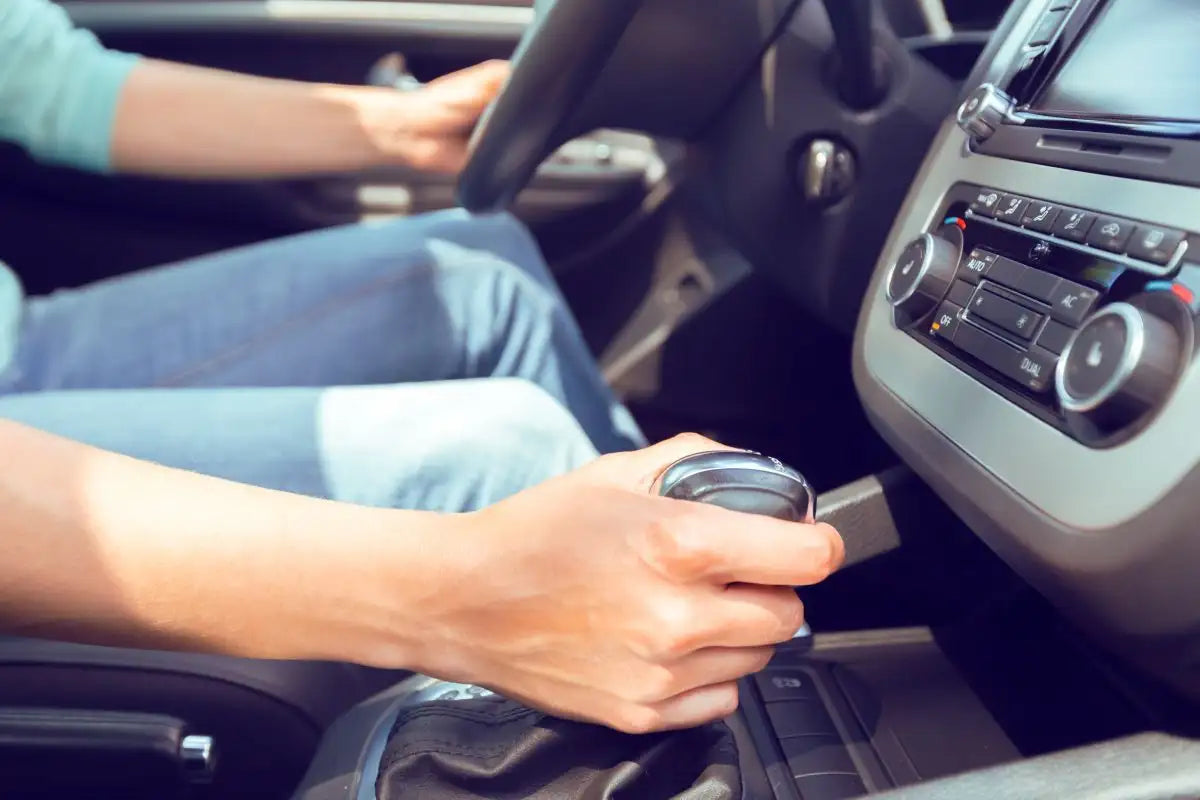
If the car cranks for a long time before it fires, or in a frost will not start at all, the usual culprits are: a blocked fuel filter, water and wax in the diesel, worn plugs (glow plugs in a diesel, spark plugs in a petrol engine), a weak battery and dirty injectors. In a diesel the problem usually concerns the fuel, its filtration and the battery – a cold start of a compression-ignition engine draws a lot of current (higher compression plus the glow plugs), so even a slightly weakened battery can block it. In a petrol engine the ignition itself is more often to blame (plugs, coils). Start with the cheapest and the most common causes – in many cases you will save yourself a lot of time and money.
What is a cold start and why can it be problematic?
A cold start is starting an engine that has cooled down – most often after a night. The unit is then thick with cold oil, the fuel atomises less well and the battery gives out less current than in the warmth. It is natural that the car fires up a little harder then. The problem only begins when the starting is clearly drawn out, the engine catches with difficulty or does not fire at all.
Petrol and diesel engines start differently, so the causes of trouble also differ. A petrol engine needs a spark from the spark plugs, while a compression-ignition engine needs a high temperature in the combustion chamber, which in winter is helped along by the glow plugs. That is why the same symptom, namely "it will not start when cold", can have a completely different source in the two engine types.
A diesel will not start when cold – long cranking or silence
In a diesel, cold starting is a classic among the problems reported in autumn and winter. It usually shows up in two ways.
- The engine cranks for a long time before it finally catches – this is often accompanied by jerking and rough running for the first few seconds.
- The engine cranks but does not fire at all – despite a working starter motor, properly prepared fuel is not reaching the cylinders.
On the diesel side, the most common culprit is the fuel and its filtration: a blocked fuel filter, water in the system and wax dropping out of the diesel in the frost. On top of that come worn glow plugs and a weak battery. If the revs hunt after starting or the engine jerks, it is also worth looking at the separate guides on hunting revs on a cold engine and jerking on a cold engine.
A petrol engine is hard to start when cold – what is going on?
In a petrol car the cold start is less often dramatic, but here too there are two scenarios.
- The car cranks longer than usual and only fires after a moment – the ignition is delayed or incomplete.
- The engine cranks evenly but will not catch – there is no spark, no fuel, or neither.
Here the front runners are worn spark plugs and a weak battery, and after them dirty injectors and moisture in the fuel system. In engines with direct petrol injection the fuel system is more sensitive to fuel quality, so here too the filter and clean injectors matter.
The most common causes of cold engine starting problems
Below we have gathered the most common causes of hard starting, along with information on which engine they concern and how they usually show up. This is a starting point for a diagnosis – none of these symptoms points unambiguously to one fault.
|
Cause |
More often in |
Typical symptom |
|
A blocked fuel filter |
diesel and petrol |
long cranking, loss of power, stalling at idle |
|
Water and wax in the fuel |
diesel |
no start in a frost, an ice plug in the filter |
|
Worn glow plugs |
diesel |
hard starting when cold, smoke after firing up |
|
Worn spark plugs |
petrol |
drawn-out starting, rough running |
|
A weak battery |
diesel and petrol |
slow cranking of the starter, clicking |
|
Dirty injectors |
diesel and petrol |
hard starting, jerking, higher fuel consumption |
|
A faulty fuel pump |
diesel and petrol |
no pressure, the engine does not fire |
|
The coolant temperature sensor |
diesel and petrol |
the wrong fuel dose at a cold start |
|
A starter motor fault |
diesel and petrol |
no reaction when the key is turned |
|
A worn ignition switch |
diesel and petrol |
no signal to the starter, a warm housing |
A blocked fuel filter – start here
The fuel filter cleans particulates and water out of the fuel before they reach the sensitive components of the fuel system. Over time it collects sand, rust, metal filings, water and resinous fractions, until in the end it begins to restrict the flow. When it is heavily blocked, too little fuel reaches the pump and the injectors, and the engine – especially a diesel, which needs adequate feed pressure to start – cranks for a long time or does not fire.
Importantly, the symptoms of a worn filter are usually visible earlier than at the start itself. While driving, you may notice:
- stalling at idle,
- higher fuel consumption,
- a loss of power and torque at higher revs,
- jerking when pulling away.
None of these symptoms settles the filter’s guilt, though – a car behaves identically with badly chosen plugs, a leaking intake, an ECU failure or damaged fuel lines. That is why it is worth starting with the simplest and the cheapest cause to eliminate, namely the filter. It often saves hours of searching and of replacing perfectly good parts. You will find more about the procedure itself in the post on changing the fuel filter in a diesel.
Water and wax in the fuel – the diesel’s winter speciality
In winter, in a diesel, a dirty and water-contaminated filter is often enough for the car not to start in the morning. Water collected in the filter can freeze, and the wax dropping out of the diesel restricts its throughput. In an extreme case an ice or a wax plug forms, completely blocking the fuel flow.
This is not just a matter of "bad fuel". Standard winter diesel in Poland has a cold filter plugging point (CFPP) of −20°C, and the first wax crystals begin to drop out as soon as the fuel clouds, which is usually between −7°C and −15°C. Arctic fuel goes down to a CFPP of around −32°C, but tends to be available only at selected stations. Where does the water in the tank come from? Most often it is simply water vapour condensing on the walls of the tank as the temperature fluctuates.
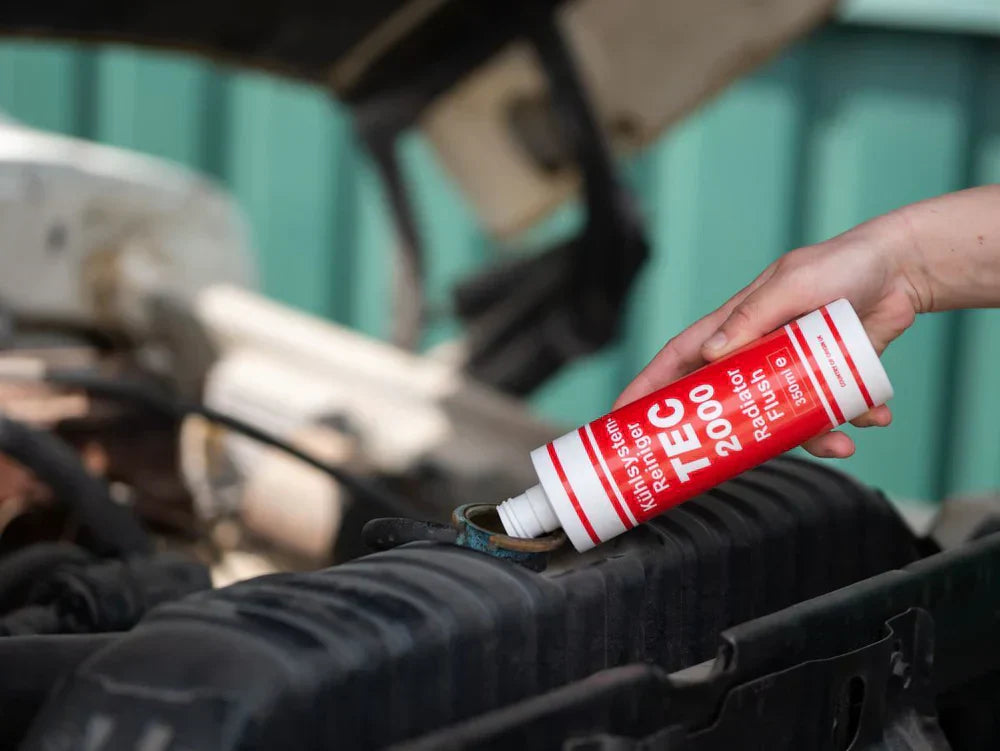
Prevention helps here: filling up with winter diesel, keeping the tank full and using water-binding additives. TEC 2000 Diesel System Cleaner binds water throughout the fuel system and makes starting a cold engine easier, and its petrol counterpart – Fuel System Cleaner – does the same in cars with a spark-ignition engine. You will find both in the removing water from fuel category. We write about the problem in more detail in the post water in the fuel – symptoms, effects, how to get rid of it.
Remember, too, about AdBlue, which freezes as early as −11°C, and about the fact that the type of diesel (B7, B10, XTL) affects how the fuel behaves in winter.
Worn glow plugs (diesel)
The glow plugs heat the air entering the combustion chamber, which makes it easier for a diesel to start when cold. When they wear out, starting in a frost can become considerably drawn out, and the engine smokes after firing up. It is a problem known especially to drivers of older designs – in newer units with direct injection, starting tends to be easier even with weaker plugs.
Worn spark plugs (petrol)
In a petrol engine the spark from the spark plugs ignites the air-fuel mixture. Worn plugs have trouble producing a strong spark – the engine will usually fire, but the starting will be drawn out and the cold running can be rough. It is one of the most common and cheapest causes of hard starting in a petrol car to put right.
A weak or flat battery
In a frost the battery gives out less current, while the starter motor needs more of it. With too low a voltage, starting is very difficult or impossible. Before you replace the battery, check the terminals and the clamps – corroded or loose ones conduct current less well. If the battery is only flat, a recharge is sometimes enough; if it is damaged – a replacement is necessary.
Dirty or damaged injectors
Dirty injectors meter and atomise the fuel less well, while damaged ones do not hold pressure – both make a cold start harder. If you suspect the injectors, start with the symptoms of damaged injectors. As prevention, fuel additives clean the injection system, and with heavier contamination direct cleaning helps – check how to clean petrol injectors and what proper cleaning of diesel injectors looks like. For stronger interventions there are Diesel Injector Cleaner and Fuel Injector Cleaner – preparations applied directly to the fuel rail, usually with the involvement of someone who knows how the system is built.
A faulty fuel pump
The pump feeds fuel from the tank to the injectors. When it weakens, too little fuel reaches the engine and starting becomes difficult; with a serious failure the car does not fire at all. Importantly, a neglected fuel filter is one of the more common causes of premature wear of the pump and the injectors – metal filings from a dirty filter travel further on and damage expensive components of the system.
A faulty coolant temperature sensor
The ECU uses the engine temperature to choose the fuel dose for starting. When the temperature sensor reports incorrect values, too little fuel, for example, reaches the cylinders, and as a result the cold engine fires up reluctantly.
A starter motor fault
The starter motor turns the crankshaft, spinning the engine up to the speed at which ignition is possible. When it wears out, when you turn the key most often nothing happens or you hear only clicking. It is a fault that is confirmed at a workshop.
A worn ignition switch
Worn ignition switch wiring is sometimes given away by heat from the housing. In such a situation starting is difficult, and with a complete failure the signal does not reach the starter motor at all and the car does not fire.
What should you do when a diesel will not start in a frost?
Work from the simplest things to the most expensive.
- Check the fuel level and whether you are filling up with winter diesel – running out of fuel is, contrary to appearances, a common cause.
- Do not crank the starter in long bursts – this risks flattening the battery and seizing the pump in a modern diesel.
- If the car has been standing in a frost, suspect an ice or a wax plug in the filter – moving the car somewhere warmer helps.
- Pay attention to the glow plugs and the battery, especially in an older car.
- Once you have established that there is water or wax present, use a water-binding additive and consider changing the fuel filter.
If the system has taken in air during a filter change, do not crank it "dry" – in new diesels this risks damaging the pump. See how to bleed the fuel system properly after a filter change.
What should you do when a petrol engine is hard to start when cold?
- Start with the battery – check the voltage and the condition of the clamps and terminals.
- Assess the condition of the spark plugs; worn ones are the most common and cheap cause to put right.
- With rough running and jerking, consider having the injectors cleaned.
- Keep the fuel system clean and dry – moisture and deposits make starting worse.
As prevention it is worth using an additive that cleans the fuel system. Fuel System Cleaner binds water, neutralises the effects of E10 fuel and keeps the injectors clean; it is flammable, so keep it away from fire. We also write about regular care of the system in the guide on regular fuel system cleaning.
How do you reduce the risk of starting problems in winter?
Most winter trouble can be avoided with a few habits.
- Change the fuel filter before winter – it is where most of the water and wax collects.
- Fill up with winter diesel in the right period and keep the fuel level high, to limit water condensing in the tank.
- Use water-binding additives twice a year, ideally in late autumn and at the turn of winter and spring.
- Look after the battery and its connections, especially with short-distance driving.
- Keep the injectors and the whole fuel system clean, using additives preventively.
It is worth knowing that modern diesel with biocomponents (B7) encourages water contamination of the fuel and the formation of deposits, which can block the filter and settle in the injectors. This is one of the reasons why the filter and cleaning additives matter more today than they used to. We develop this thread in the post on why a modern diesel breaks down by itself – B7, B10 and IDID deposits. An additive that improves the effects of poor diesel lubricity can also help.
After an oil change, TEC 2000 Oil Booster works well; it supports the oil film of the fresh oil – it is not a cure for cold starting, but it is part of sensible engine prevention.
How often should you change the fuel filter?
The basis is the manufacturer’s recommendations from the owner’s manual. In practice, though, the intervals tend to be long, and in Polish conditions – with poorer fuel quality and more moisture – many mechanics advise shortening them, ideally to a change at every (or every second) oil change, and in a diesel additionally before every winter.
|
Situation |
Approximate interval |
|
Manufacturers’ recommendations (diesel) |
often 30,000–60,000 km, sometimes more |
|
Manufacturers’ recommendations (petrol) |
usually longer, even 100,000+ km |
|
Good practice in Polish conditions |
shorten the interval, diesel before every winter |
|
Once symptoms appear |
change it straight away, do not wait for the interval |
The cost of the filter itself is usually around €10–20 (more in newer diesels) – incomparably less than the repair of a high-pressure pump or of the injectors that a neglected filter can cause. Choosing a filter that matches your car model exactly also matters. Note: if you use Diesel System Cleaner, the manufacturer recommends changing the fuel filter after the treatment – the preparation dissolves deposits in the tank, which can end up on the filter.
When should you take the car to a mechanic?
Additives and a filter change are prevention and help in typical situations, not a substitute for diagnostics. It is worth going to a workshop when:
- the car will not start at all despite having fuel and a charged battery,
- the symptoms do not go away after a filter change and basic prevention,
- there is no reaction when the key is turned, or you hear only clicking,
- you suspect the injection pump, the starter motor, the ECU or the sensors,
- a modern fuel system needs bleeding or the injectors need diagnosing.
The key point in a frost
When a diesel will not start in a frost, do not crank the starter in long bursts. You will flatten the battery, and in a modern common rail system running "dry" risks seizing the high-pressure pump. First warm up the car and the fuel system, and only then look for the cause.
Stick to the order, too: start with the cheapest and the most common reasons – the fuel, the filter and the battery – before you start replacing parts that are working fine. Water-binding additives and a filter change are prevention, not a repair – they help keep the system clean and limit the effects of poorer quality fuel, but they will not undo wear of the plugs, the pump or the starter motor. If the symptoms do not go away, that is a signal for diagnostics at a workshop.
FAQ
Why is a diesel hard to start in the morning on a cold engine?
The usual culprits are: a blocked, water-contaminated fuel filter, wax dropping out of the diesel in the frost, worn glow plugs and a weak battery. It is worth checking the filter and the fuel first, because that is the cheapest and the most common cause.
Why does the car crank for a long time before it fires?
Drawn-out starting usually means that too little well-prepared fuel is reaching the cylinders, or that the spark is too weak. In a diesel this often points to the filter, water in the fuel or the glow plugs; in a petrol engine – to the spark plugs and the battery.
Can an old fuel filter make it impossible to start the car?
Yes. A heavily blocked filter restricts the flow of fuel to the pump and the injectors, and in winter the water collected in it can freeze and form an ice plug. A diesel is particularly sensitive to this, because it needs adequate feed pressure to start.
How often should you change the fuel filter?
Go by the car’s manual, but in Polish conditions it is worth shortening the interval – in practice a good habit is to change it at every or every second oil change, and in a diesel additionally before every winter. Once symptoms appear, change the filter straight away.
Will a fuel additive help with starting problems in winter?
Additives such as Diesel System Cleaner or Fuel System Cleaner bind water, clean the injection system and make starting a cold engine easier. It is effective prevention, but they will not repair worn plugs, a weak battery or a damaged pump.
Why does a diesel not start in a frost despite good fuel?
Even with good winter fuel the problem can lie in the filter – if it is water-contaminated or waxed up, it will restrict the flow. That is why diesels are recommended to be serviced before winter and to have the water drained from the sedimenter, if the car has one.
What should you do first when the car will not start?
Check the most prosaic things: the fuel level and the condition of the battery together with the clamps. Only once you have ruled those out should you look for the cause in the filter, the plugs, the injectors or the pump.


Leave a comment
This site is protected by hCaptcha and the hCaptcha Privacy Policy and Terms of Service apply.