
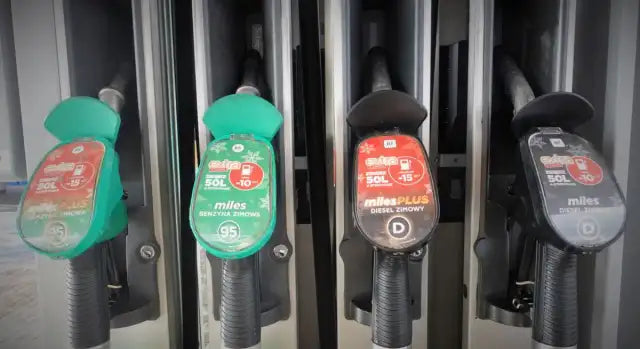
Current fuel prices are breaking records, and drivers’ wallets are suffering more and more. Despite the constant increases, producers keep encouraging drivers to choose the more expensive variants – so-called premium fuels, characterised by a higher octane or cetane number. In today’s article we will try to answer whether it is worth filling up with these more refined fuels, and if so, in which situations it particularly makes sense. We invite you to read on – the TEC 2000 team.
What exactly is a premium fuel?
How do you recognise a premium fuel at a petrol station? Most simply by the name, as every company has its own: V-Power (Shell), Verva (Orlen), Dynamic (Lotos), Ultimate (BP). These are substances that differ from their “standard” counterparts by a lower sulphur content, a higher octane or cetane number, and also the presence of enhancing additives that provide, among other things, protection against corrosion forming in the tank. Higher-quality, enhanced fuel – at least in theory, and according to what the producers say – should translate into more effective fuel combustion, thereby limiting the formation and accumulation of carbon build-up, as well as improved performance. What is more, the fuel companies also argue that enhanced fuels provide better protection for the engine, and thus translate into a longer engine life.
Are premium fuels worth filling up with?
Let us get to the heart of the article and answer the question we have posed: does paying a few extra cents per litre of petrol or diesel bring real benefits for drivers? This topic is best approached from several sides, namely: lower fuel consumption, an increase in the car’s power, a longer engine life, and the environmental question – because this is exactly how premium fuel producers advertise their products. What is the reality?
Filling up with an enhanced fuel and fuel consumption
Let us start with the economic aspect, that is, lower fuel consumption. According to numerous tests carried out, including by ADAC (Allgemeiner Deutscher Automobil-Club), choosing an enhanced premium fuel allows fuel consumption to be reduced by 1 to 5%, although in some cars achieving such an effect will not be possible – an example being vehicles not fitted with a knock sensor.
Nowadays the standard at many filling stations is E10, that is, petrol containing up to 10% bioethanol. The introduction of this fuel is intended to reduce carbon dioxide emissions, but some older vehicles may have problems using it, which can lead to higher fuel consumption or engine damage.
Grzegorz Duda demonstrates how TEC 2000 Induction Cleaner works for cleaning the intake
The 5% mentioned above is rarely achieved – fuel consumption usually falls by up to 1%. At this point we need to answer whether such a result brings real savings – it is worth remembering that for premium products you generally pay 5–7 cents more per litre.
See also: How to reduce engine oil consumption?
What about an increase in engine power?
According to estimates, better fuel should provide a performance increase of a few per cent. Practice, however, shows that during everyday driving this is practically imperceptible. This is because the engine, when driving around town for example, does not generate high enough revs for you to feel the increased power.
These days, filling stations offer a wide choice of fuel types, such as petrol, diesel, LPG or premium fuels with a raised octane number. Each of these types has its own unique properties, which can affect engine performance, fuel consumption and exhaust emission levels.
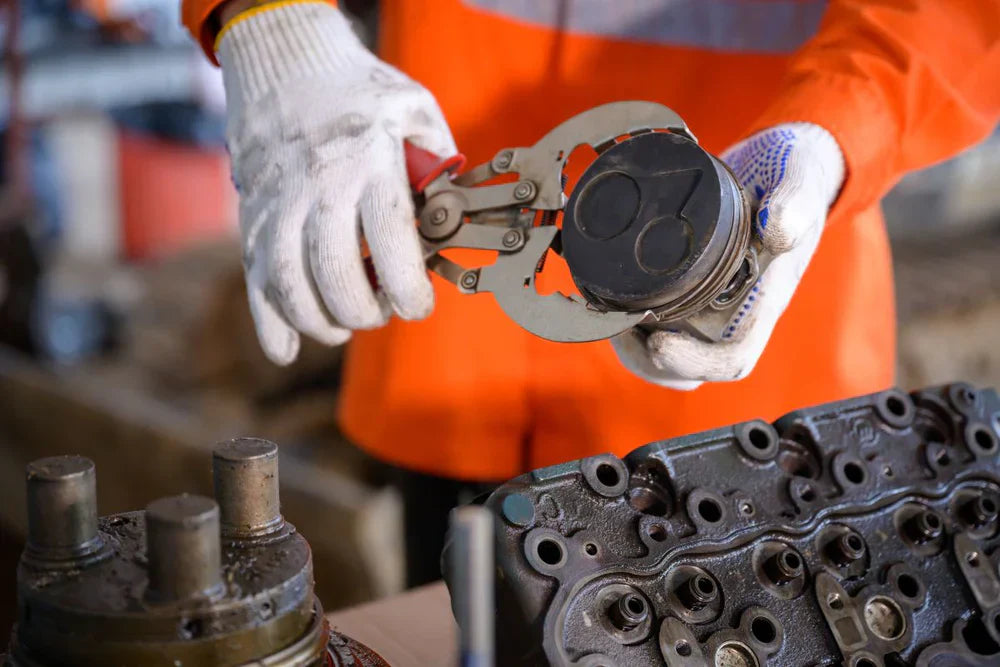
Approaching the subject from the other side, however, filling up with poorer-quality fuels can lead to a loss of power due to the absence of cleaning additives. Once a larger amount of carbon build-up and other contaminants collects in the system, it can lead to, for example, the piston rings becoming stuck. In such a case, filling up with a premium fuel can help restore power, although here it is worth bearing in mind that such a change may result in carbon deposits breaking loose, which can deepen the problem further and lead to more serious engine trouble.
That is exactly why it is so important to keep the engine in good condition and regularly treat it to a flush using a good-quality engine flush.
TEC 2000 Engine Flush – a professional engine flush that removes carbon build-up, soot and other deposits from piston rings and ring grooves, oil gallery passages or valve lifters. Regular use will ensure increased compression, a system kept clean, neutralisation of the acids present in the oil, reduced exhaust emissions and improved engine performance.
Longer engine life – an empty promise or a real benefit?
We have already touched on this aspect in the previous paragraphs. Premium fuels contain enhancing additives with good cleaning and lubricating properties, which should indeed have a positive effect on the condition of the engine and extend its life. At this point, however, let us add that this effect will only be achieved if you fill up with enhanced fuel on a regular basis and over a longer period of time.
Filling up once will not protect the engine, and may even harm it, as we wrote earlier – the additives may result in a large amount of contamination being washed out, which can then mix into the sump. Such a situation leads to reduced piston sealing and thus to a loss of power.
Less sulphur – a nod towards the natural environment
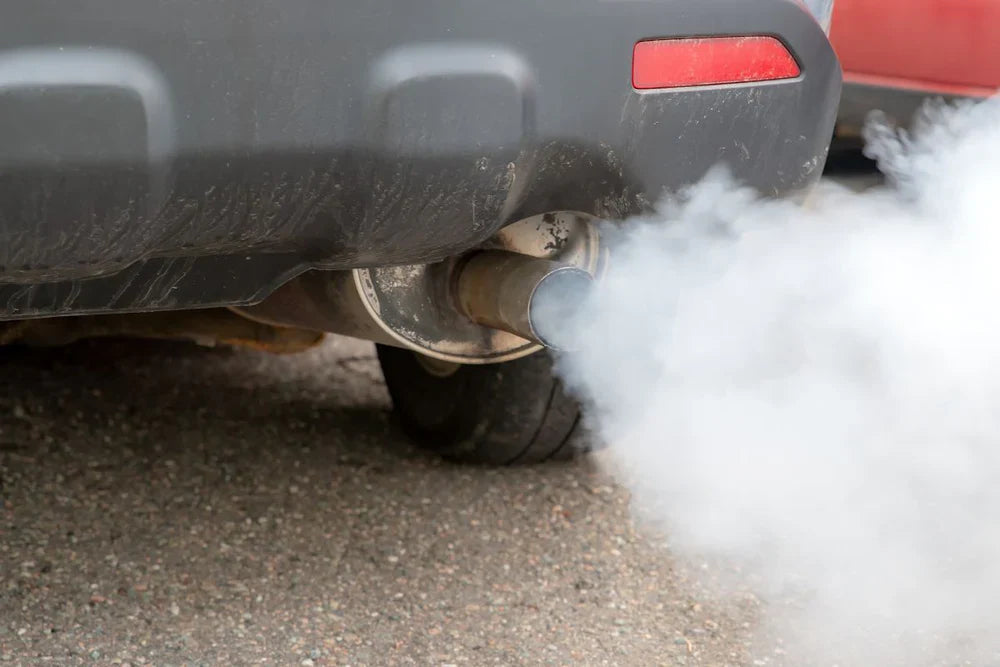
The reduced amount of sulphur in premium fuels brings benefits mainly for the planet. From an environmental standpoint, a lower content of this chemical element contributes to reducing emissions of harmful, toxic chemical compounds into the atmosphere. Let us add here that sulphur has no effect on how the engine runs – the situation looks different, however, with its combustion product, that is, sulphuric acid, which increases the risk of corrosion inside the engine.
When should you go for a premium fuel?
Filling up with better fuel will not result in a large drop in fuel consumption, nor in an increase in power big enough to feel the difference during everyday, ordinary driving. On the other hand, reaching for premium fuel on a regular basis can have a beneficial effect on how smoothly the engine runs, on its life, and on the natural environment. Enhanced substances may be chosen by owners of newer vehicles, and also by people who have had their car tuned – in their case the power increase will be noticeable. Although filling up with enhanced fuel can be beneficial for the condition of the engine, it is worth knowing that the market is full of chemical products which reduce the effects of poor fuel quality and poor fuel lubricity. A good example is the diesel enhancer TEC 2000 Diesel System Cleaner and the petrol additive TEC 2000 Fuel System Cleaner. These are products with water-binding properties, which means they excellently pick up the moisture collecting in the fuel tank. Regular use of these products extends the life of the injectors and also has a positive effect on engine power. The products we have mentioned are a particularly good solution for owners of older cars, who in turn are not advised to fill up with enhanced fuels.


Leave a comment
This site is protected by hCaptcha and the hCaptcha Privacy Policy and Terms of Service apply.